
Basement water removal & drying · Greeley, Colorado
Flooded Basement Cleanup in Greeley, CO
One call connects you with a local contractor for basement water extraction, cleanup, drying, and repair.
- Standing water and soaked flooring
- Drying for walls, framing, and floors
- You decide whether to proceed
Start With the Water Source
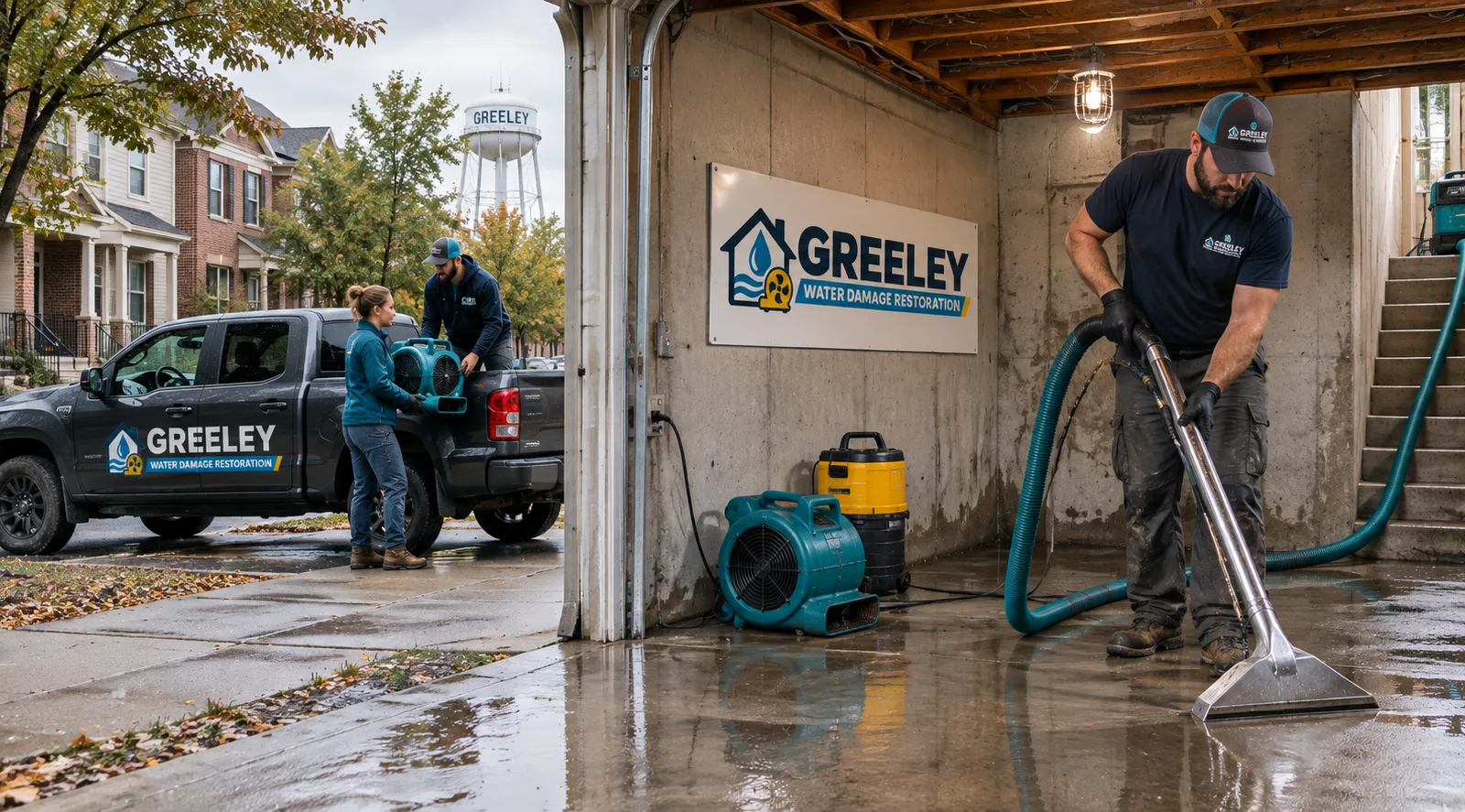
Flooded basement cleanup starts with identifying how water entered, checking whether the space is safe to access, and removing standing water. Pumping alone does not finish the job. Moisture can remain in wall cavities, carpet padding, insulation, and the edges of framed walls after the floor looks dry.
A contractor should distinguish a broken supply pipe from groundwater intrusion, a failed sump pump, or a sewer backup. The source affects how materials are handled and which repairs belong in the scope. Sewage and water that has traveled across outdoor ground require different precautions than a recent clean-water plumbing leak. Water conditions can also worsen over time.
Along Colorado's Front Range, spring snowmelt and warm-season thunderstorms can expose problems with grading, window wells, and foundation drainage. If water enters during wet weather, the contractor should consider those pathways rather than treating the wet flooring as the whole problem. Repairing interior finishes without addressing continuing entry can leave the basement vulnerable to another flood.
Stay out of standing water when electrical equipment, outlets, or wiring may be affected. Arrange for electrical hazards to be assessed before entering. A strong sewage odor, visibly contaminated water, or damaged structural materials also calls for keeping people and pets away from the flooded space.
What to Tell the Contractor About Your Basement
How Water Got In
Mention a burst pipe, sump pump failure, sewer backup, or water entering from outside if you know the source.
Where the Water Reached
Describe where you see standing water and which rooms, walls, or floor coverings are affected.
What’s in the Basement
Mention finished walls, carpet, stored belongings, or utility equipment in the affected area.
Whether Water Is Still Entering
Say whether the water has stopped and mention any access concerns.
What basement water removal and repair involve
Connect and discuss the next step
Call, enter your ZIP code, and you are connected directly with a local contractor who serves that ZIP. You talk with the contractor about the flooded basement and decide what happens next. Ask when an assessment is available and mention any access concerns.
Assess the source and affected materials
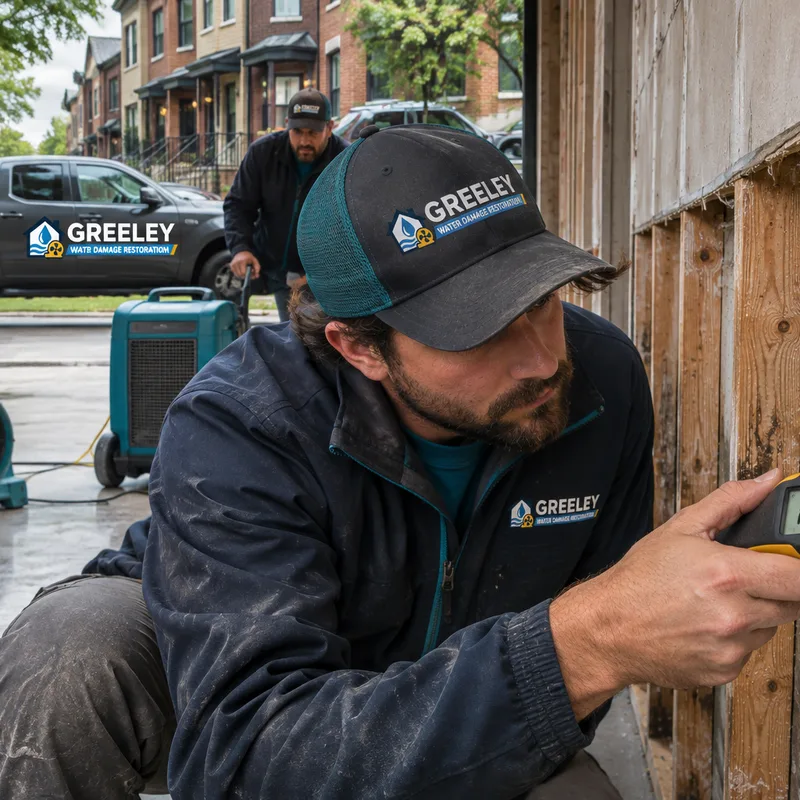
The contractor checks the water source, contamination concerns, standing water depth, and affected rooms. Moisture meters help locate damp building materials beyond visible puddles. Finished walls, stored belongings, floor coverings, and utility equipment may all affect the work plan. If water is still entering, source control needs attention alongside extraction.
Extract water and remove unsalvageable materials
Pumps or extraction equipment remove standing water. Carpet padding, swollen composite trim, and wet insulation may need removal depending on contamination and damage. Selective drywall cuts can expose wet wall cavities. The contractor should explain why each material is being removed and how belongings will be separated from the work area.
Clean and dry the affected basement
Flooded basement cleanup includes removing debris and cleaning affected surfaces using methods appropriate to the water source. Air movers and dehumidifiers support controlled drying after contamination concerns are addressed. Moisture readings, rather than appearance alone, help determine when materials are ready for the next stage. Equipment placement may change as drying progresses.
Repair after drying is verified
Repair can include insulation, drywall, trim, flooring, and paint. Before cavities are closed, the contractor should confirm that retained materials meet appropriate drying goals. Drainage work, sump pump repairs, plumbing corrections, or electrical repairs may require separate trades. Clarify those responsibilities before approving reconstruction.
Standing water is only part of the job.
Ask how the contractor will check for moisture behind walls and beneath flooring before repairs begin.
The details that matter after extraction

Questions about flooded basement cleanup in Greeley
Can carpet stay after basement flooding?
Carpet may be salvageable, but the water source, exposure time, backing condition, and ability to dry the assembly determine the decision. Padding often needs separate consideration because it holds moisture against the floor. Sewage contamination can rule out keeping porous materials. Ask the contractor to explain the decision for each layer rather than treating the carpet and padding as one item.
Does a concrete basement floor need drying after water extraction?
Concrete can retain moisture after standing water has been removed. Adhesives, floor coverings, and nearby wall materials can also remain damp. For flooded basement water extraction in Greeley, CO, ask how the contractor will check the slab and adjoining materials before installing replacement flooring. Flooring products have their own substrate moisture requirements.
Should I run fans if the basement smells musty?
Ask the contractor about contamination before using fans in a musty or visibly mold-affected basement. Air movement can spread particles when contaminated materials are disturbed. A musty odor does not identify the full extent of damage, so the contractor may need to inspect concealed cavities and assess whether separate mold-related work is appropriate.
What should a written basement flood cleanup scope include?
A written scope should identify the affected spaces, extraction work, material removal, cleaning, drying checks, and any reconstruction included. Ask how equipment use is documented and how additional concealed damage will be handled. Confirm whether moving stored items, hauling damaged materials, and replacing finishes are included before you authorize the work.
Can I stay in the house during basement flood repair?
Occupancy depends on contamination, electrical safety, access, and whether essential utilities remain usable. Drying equipment creates noise and heat, and removal work may require separating the basement from occupied rooms. Tell the contractor if anyone has respiratory concerns or if the basement contains sleeping space, then discuss practical access restrictions.
Will basement flood cleanup stop water from entering again?
Cleanup addresses the water and damaged materials, while preventing another flood requires correcting the entry source. A plumbing leak, overflowing window well, sump pump problem, and groundwater intrusion need different repairs. Ask the contractor which cause has been identified, what evidence supports that conclusion, and who will handle any separate corrective work.
Need Help With a Flooded Basement in Greeley?
Describe where the water entered, what got wet, and whether there’s still standing water. Ask which cleanup, drying, and repair tasks the contractor can include.