
Homeowner resources · Greeley, Colorado
Water Damage Resources for Greeley Homeowners
Find practical guidance on basement flooding, burst pipes, drying, and documenting water damage.
- First steps after water damage
- What to expect during cleanup and drying
- Questions to ask before approving work
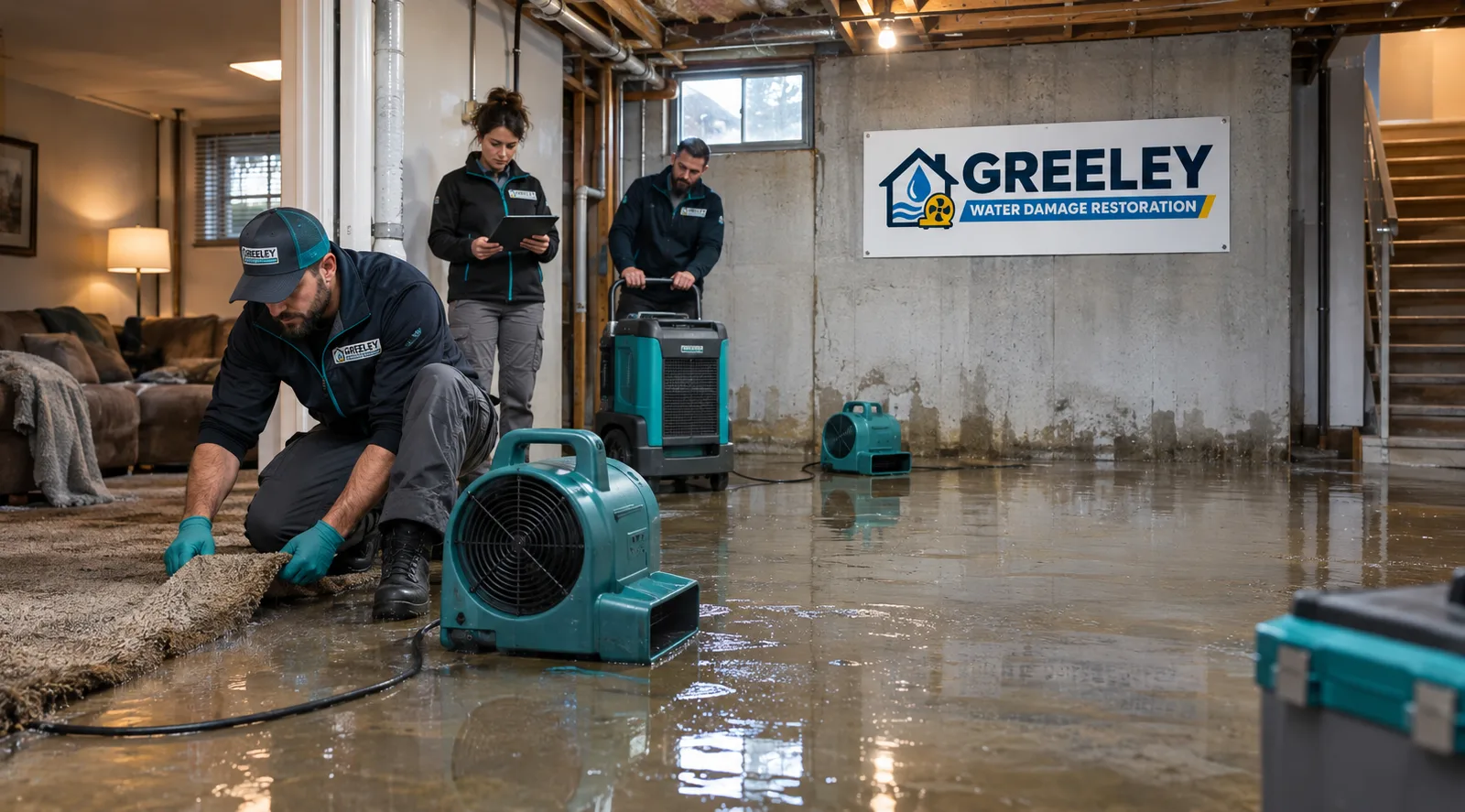
What to Do When Your Basement Floods
Stay out of a flooded basement until electrical and structural hazards have been assessed. Water can reach outlets, appliances, and electrical panels before its depth looks dangerous. Never enter standing water to reach a breaker or shutoff. If you smell gas, leave the building and contact the gas utility or emergency responders from a safe location.
If a supply pipe is leaking and the main water shutoff is accessible from a dry, safe location, turn it off. Keep children and pets away from affected rooms. Avoid contact with sewage or outdoor floodwater, and do not use a household vacuum to remove water. A bulging ceiling, shifting wall, or damaged staircase is another reason to keep clear.
Once everyone is safe, see our flooded basement cleanup page for more on water removal, drying, and repairs.
Northern Colorado's cold weather can expose vulnerable plumbing to freezing conditions, while thunderstorms and melting snow can send runoff toward foundation openings. The source matters: a broken supply pipe, sewer backup, failed sump pump, and water entering through a window well require different repairs and cleanup precautions.
What a flooded-basement assessment should cover
Where the water came from
The contractor should establish the likely source, whether water is still entering, and whether plumbing repair or drainage work is also needed. Clean supply water can become contaminated after contact with dirty materials, so appearance alone does not establish safe handling.
Moisture beyond the puddle
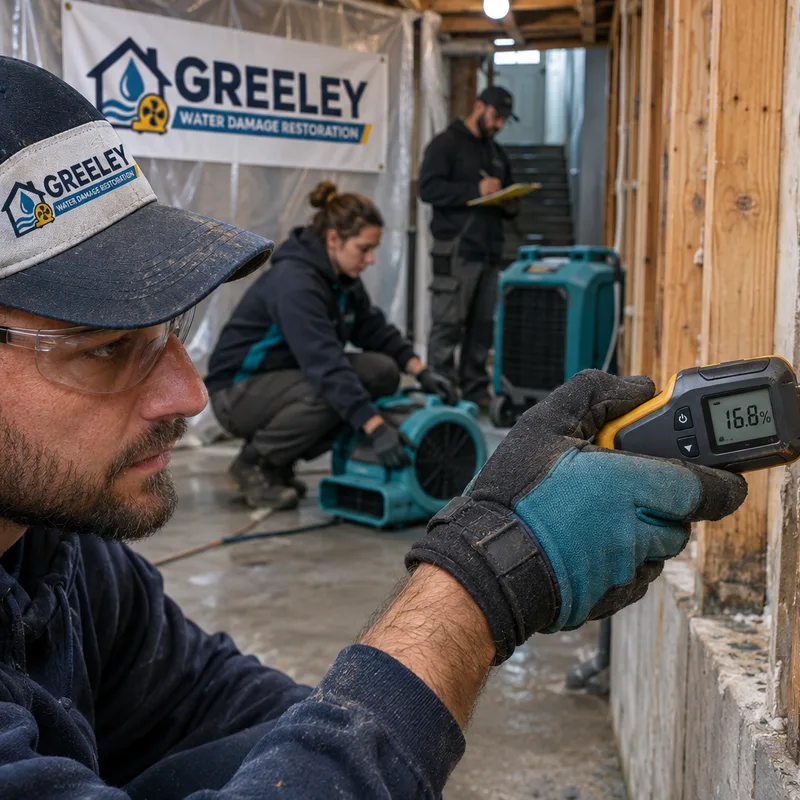
Water can travel under flooring, into insulation, and along wall cavities. Moisture meters help identify wet materials; thermal imaging can help locate areas that need closer testing. A dry-looking surface does not establish that the assembly beneath it is dry.
What can remain
Concrete, framing, carpet pad, drywall, and cabinets respond differently to water. Contamination, swelling, and access for drying affect whether materials can remain. Ask the contractor to explain removal decisions before demolition begins.
What the Quote Covers
Ask for a written scope that explains what’s included in water extraction, handling belongings, and checking drying progress. Ask which repairs need a separate quote.
What to expect during basement cleanup and drying
Connect with a local contractor
Call, enter your ZIP code, and you are connected directly with a local contractor who serves that ZIP. Discuss safe access, the apparent water source, and whether the basement contains sewage or damaged electrical equipment. Ask about availability and the proposed assessment.
Control the source and assess conditions
The source needs attention before drying can succeed. A plumber may need to repair a burst pipe, while groundwater entry may require drainage work. The restoration contractor checks affected materials and contamination conditions. Deep flooding with saturated ground outside requires careful assessment before pumping because unequal water pressure can damage basement walls.
Extract water and handle affected materials
The contractor removes standing water with extraction equipment and determines which contents and building materials can be cleaned. Contaminated porous materials may require disposal. Wet carpet pad or insulation may need removal to expose surfaces that otherwise remain damp.
Dry, measure, and plan repairs
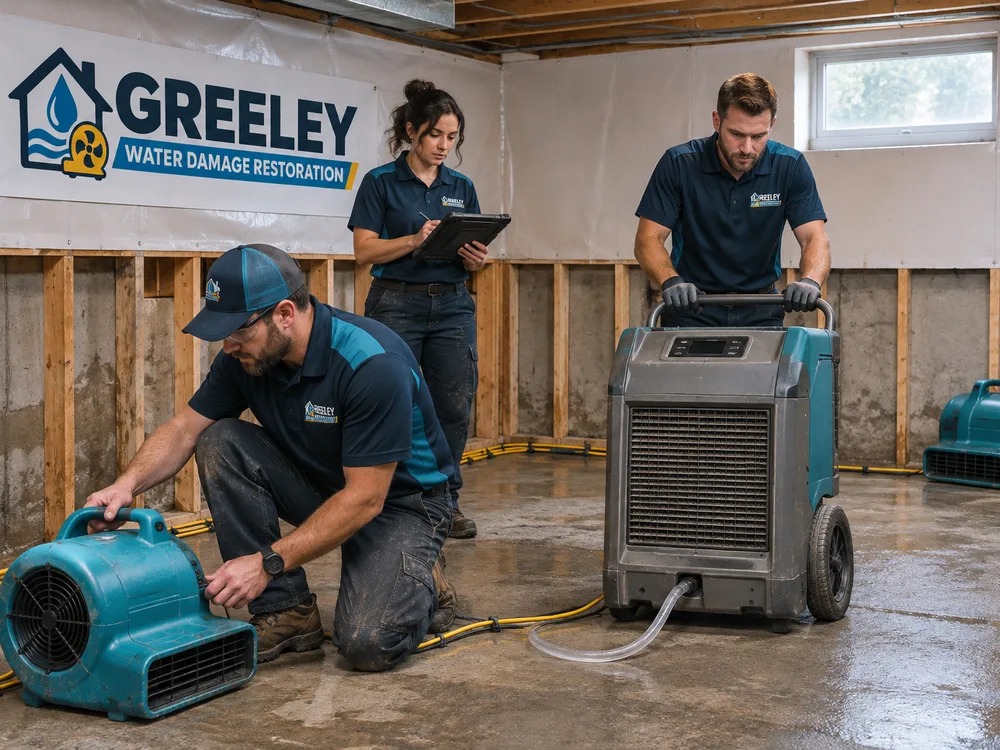
Air movers and dehumidifiers support controlled drying when conditions are appropriate. The contractor records moisture readings and adjusts equipment as materials dry. Painting, flooring installation, and wall repairs should follow verification of drying rather than a calendar deadline.
Standing water is only part of the damage.
Ask which materials will be checked for hidden moisture after the standing water is removed.
The details that matter during drying
Common Questions After Water Damage
How long does water damage drying take?
Structural drying often takes several days, but dense materials and concealed moisture can extend the work. The depth of wetting, contamination, temperature, and access to wall or floor cavities all matter. Ask the contractor what moisture targets they use and how readings will be recorded. Equipment removal should depend on measured progress.
How do I document water damage for insurance?
Photograph the affected rooms and belongings from a safe location before cleanup changes their condition. Capture wide views and close-ups, record when you discovered the water, and list damaged items with purchase information when available. Keep receipts and contractor reports. Contact your insurer about notice requirements and disposal instructions, but do not delay necessary safety measures. Coverage depends on your policy and the source of the water.
What should I do after a burst pipe besides shutting off the water?
Arrange repair of the pipe and have nearby building materials checked for moisture. Water can run through floor openings and wall cavities into rooms away from the break. If cold weather caused the failure, ask the plumber about the pipe's exposure and protection before closing the wall. Coordinate the plumbing repair with the contractor handling cleanup so concealed wet materials remain accessible.
Can I run fans or open windows before a contractor arrives?
Avoid directing fans across sewage, suspected mold, or contaminated floodwater. Air movement can spread contamination, and electrical equipment should only operate where power and access are safe. Open windows do not always improve drying because outdoor humidity and temperature affect the result. Ask the contractor whether ventilation makes sense for the current conditions.
How can I prevent basement flooding after cleanup?
Prevention starts with correcting the entry path rather than covering the water stain. Check gutters, downspout discharge, grading, window wells, and sump-pump operation. In Greeley's cold-weather periods, keep vulnerable supply pipes protected and disconnect exterior hoses before freezing weather. A sewer backup may call for a plumbing assessment of backwater protection rather than exterior waterproofing.
What should I ask before authorizing restoration work?
Ask for a written scope that distinguishes water removal, cleaning, drying, demolition, and reconstruction. Confirm who handles contents, how moisture readings are documented, and whether another trade must repair the source. The contractor provides the quote and explains the proposed work. You choose whether to authorize it and should clarify any changes before additional work begins.
Need Help With Water Damage in Greeley?
Have the property ZIP code ready when you call. Describe where the water started, which areas got wet, and whether water is still entering.